

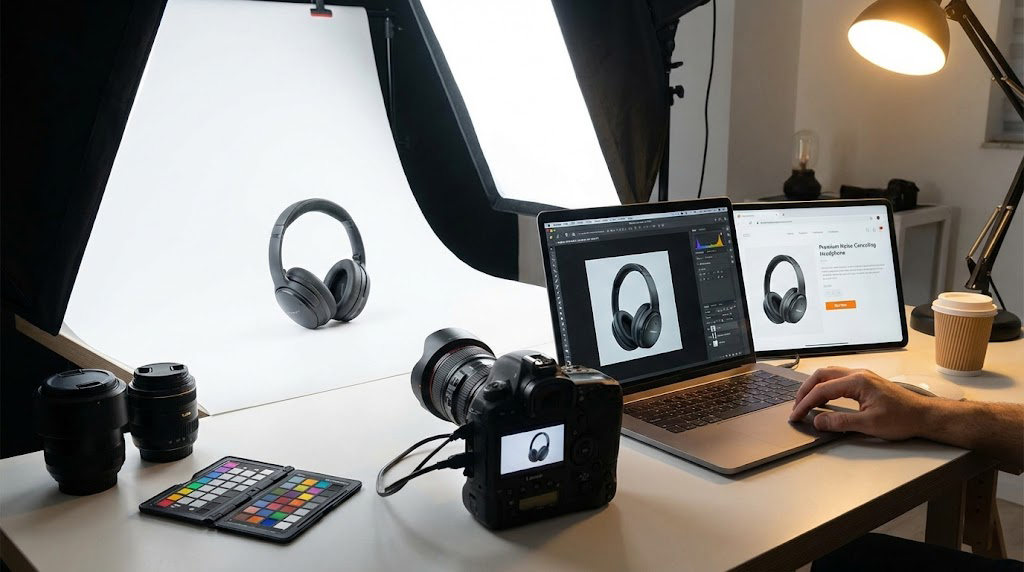
In the digital marketplace, your customer cannot touch the fabric, smell the leather, or test the weight of a gadget. They have only one sense to rely on: sight. This is where ecommerce product photography becomes the single most critical bridge between browsing a catalog and clicking "Add to Cart."
High-quality visuals are no longer just an aesthetic choice; they are a functional requirement for revenue. Whether you are scaling a D2C brand on Shopify or battling for the buy box on Amazon, the quality of your images dictates your conversion rate. This guide explores why ecommerce photography is the backbone of online retail and how to leverage it to turn visitors into loyal customers.
Ecommerce product photography is a specialized branch of commercial photography dedicated to accurately and attractively representing products for online sales. Unlike artistic photography, which may prioritize mood over clarity, the primary goal here is clarity, accuracy, and conversion. It involves capturing high-resolution images that showcase product details, features, and usage to eliminate buyer hesitation.
While "normal" product photography might appear in a glossy magazine print ad to evoke a feeling, ecommerce photography is purely functional.
Marketplaces like Amazon, Myntra, and Flipkart enforce strict image guidelines to maintain a uniform shopping experience. If every seller used different backgrounds or lighting styles, the search results would look chaotic, eroding trust. Product photography for ecommerce ensures consistency, allowing customers to compare products fairly and making the platform look professional.
You might have the best product in the niche, but if your images are pixelated or dark, you will lose the sale. Here is why visuals are the currency of conversion.
In online retail, perceived quality equals actual quality. A blurry or poorly lit image suggests a low-quality product or a fly-by-night seller. Crisp, high-definition images signal professionalism and reliability, instantly building the trust required for a transaction.
On a search results page, your main image is your hook. A clean, white-background shot that highlights the product’s key features will almost always outperform a cluttered image. Higher quality ecommerce photography leads to higher CTRs, which signals to the platform that your product is relevant.
Most marketplace algorithms (especially Amazon’s A9) prioritize listings with high-resolution images that meet their zoom capabilities. If your product photoshoot for ecommerce doesn't meet the technical specs (e.g., 1000px on the longest side), your product may be suppressed in search rankings.
One of the biggest profit killers in ecommerce is returns due to "product not as described." accurate photography that shows texture, scale, and true color manages customer expectations, significantly lowering return rates.
To capture the full attention of a buyer, brands typically rely on a mix of photography styles.
This is the bread and butter of online retail.
While studio shots inform, lifestyle shots sell the dream.
Apparel requires a specialized approach because fit and drape are crucial.
One size does not fit all. Your ecommerce photoshoot strategy must adapt to where you are selling.
Amazon is notoriously strict. Your main image must be on a pure white background (RGB 255, 255, 255), the product must fill 85% of the frame, and no text or props are allowed. Violating these results in immediate listing suppression.
Fashion-centric platforms like Myntra often require full-length model shots and specific aspect ratios (usually vertical). They prioritize a "clean" look but often allow for more stylistic variation in secondary images compared to Amazon.
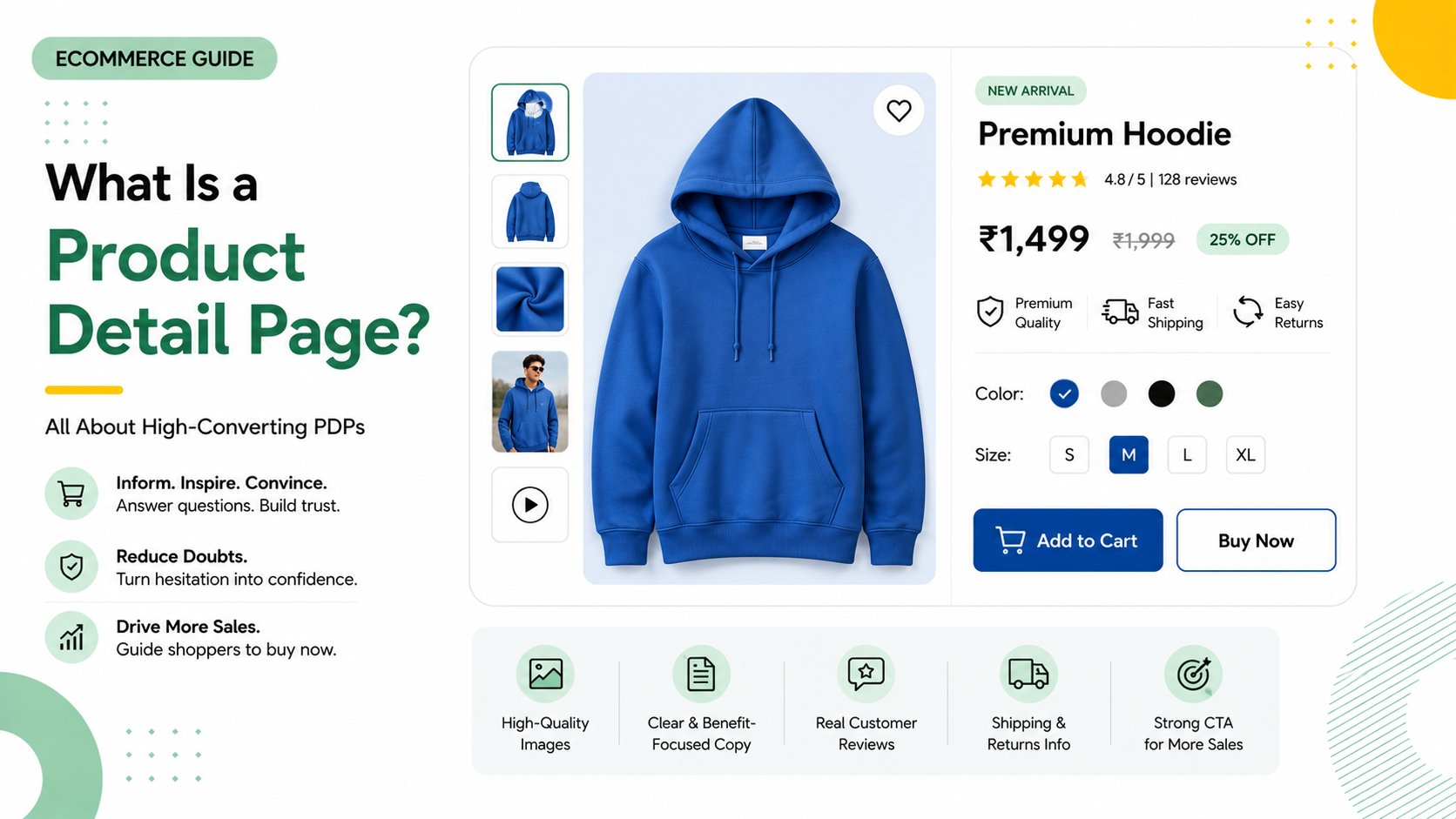
On your own D2C site (Shopify, WooCommerce), you have creative freedom. While you should still use clear product shots for the product detail page (PDP), you can infuse more brand personality, colored backgrounds, and creative video integration without fear of penalization.
Investing in professional photography is often cheaper than paying for bad ads.
Scaling your visual content production is a challenge for growing brands. Trying to coordinate freelance photographers, studios, and editors separately can lead to inconsistent results and missed deadlines.
Brands looking for scalable and conversion-focused ecommerce product photography services often partner with agencies that handle everything from product photoshoots to fashion shoots under one workflow. A dedicated partner ensures that whether you need 50 SKUs shot for Amazon or a high-end editorial campaign, the visual language remains consistent and the output is delivered ready for upload.
Even established brands can falter if they neglect their visual strategy. Avoid these common pitfalls:
At the end of the day, a product's success online rests almost entirely on how well it's shown, not just how good it is. From meeting strict marketplace guidelines to building the trust that turns browsers into buyers, ecommerce product photography isn't a finishing touch t's core infrastructure for conversion. Brands that invest in consistent, high-quality visuals see the payoff across the board: higher CTRs, lower returns, better ad performance, and stronger customer trust. As competition for attention grows, the brands that treat photography as a strategic priority, not an afterthought, will be the ones winning the buy box and the sale.
Tell us what you're working on and we'll get back to you with ideas and next steps.


It is the practice of photographing products specifically for online sales, focusing on accuracy, high resolution, and adherence to marketplace guidelines to drive conversions.
Costs vary wildly depending on the complexity. A simple white-background shot might cost a few Rupees per SKU, while a complex lifestyle or fashion photoshoot for ecommerce involving models and sets will be significantly higher.
Yes. Editorial fashion photography focuses on mood and art, often obscuring the clothes. Ecommerce photography for fashion focuses on the fit, fabric texture, and accurate color of the garment so the customer knows what they are buying.
This depends on the volume. A professional studio can shoot hundreds of ghost mannequin items in a day, whereas a creative lifestyle shoot might only yield 10-20 final images per day due to setup time.
You can reuse a core set of accurate product shots, but main images often need adjustments per platform Amazon requires a pure white background with the product filling 85% of the frame, while Myntra may require full-length model shots in a vertical aspect ratio. Secondary and lifestyle images usually have more flexibility across platforms.
Yes. High-quality visuals stop the scroll on platforms like Facebook and Instagram, improving click-through rates and lowering your Cost Per Click. Better images also mean fewer creative rejections from ad platforms, since low-quality photos are a common reason ads get flagged before they even run.


.png)


