

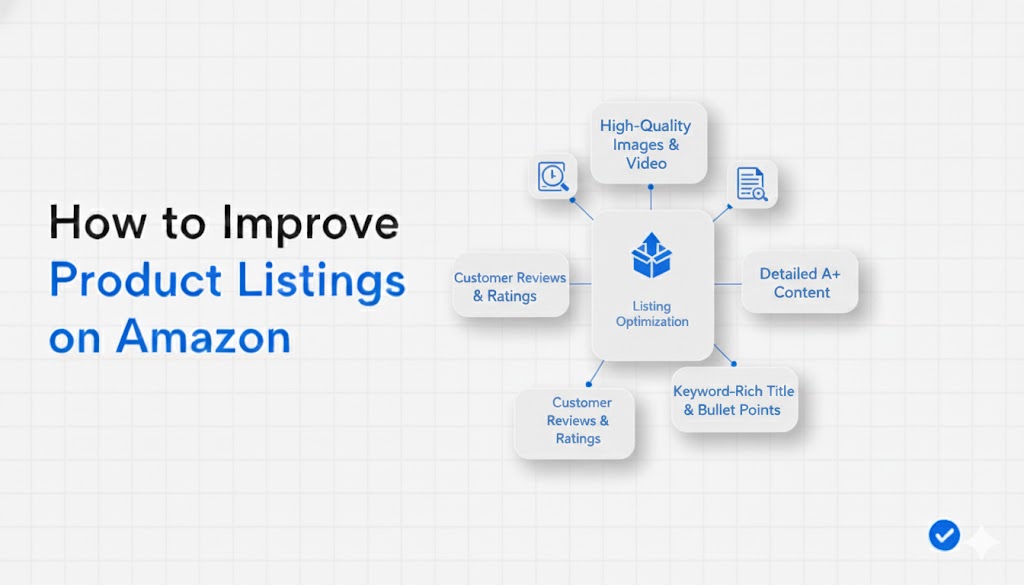
After managing thousands of Amazon product launches over the past five years, we've learned that success on Amazon isn't just about having a great product it's about presenting it in a way that both customers and Amazon's algorithm can't ignore. The marketplace has dramatically shifted in 2025, and frankly, many sellers are still using outdated strategies that simply don't work anymore.
Let us walk you through exactly what's working right now for product listing on Amazon, based on real results we've seen with our clients.
What's Actually Changed on Amazon This Year
Amazon's search algorithm got smarter much smarter. Gone are the days when you could stuff a bunch of keywords into your title and call it a day. We've watched perfectly good products tank because sellers didn't adapt to these changes.
The algorithm now pays serious attention to how customers interact with your listing. Are they clicking? Are they buying? Are they returning your product? These signals matter more than ever, which means your listing optimization strategy needs to be customer-first, not just keyword-first.
Building Listings That Actually Convert
Getting Your Product Title Right
Here's something most sellers get wrong: they think longer titles automatically mean better visibility. Wrong. We've tested this extensively, and clean, readable titles consistently outperform keyword-stuffed messes.
Your title should tell customers exactly what they're getting within the first few seconds. I use this simple format with our clients: Brand + What It Is + Main Benefit + Key Specs. For example, "EcoClean Stainless Steel Water Bottle - Keeps Drinks Cold 24 Hours - 32oz BPA-Free" works better than cramming every possible keyword into 200 characters.
The Real Secret to Amazon Product Listing Optimization 2025
Everyone talks about keywords, but here's what actually moves the needle: understanding search intent. When someone types "wireless earbuds," are they looking for budget options, premium features, or workout gear? Your entire listing should answer that specific need.
We spend hours analyzing what customers are actually searching for in each category. Tools help, but nothing beats manually going through Amazon's search suggestions and seeing what real people are asking about your type of product.
Images That Actually Sell Products
The Amazon product image guidelines 2025 are stricter than ever, but honestly, that's good news if you're willing to invest in quality photography. I've seen 40% conversion rate increases just from improving image quality.
Your main image still needs that white background and should showcase your product clearly. But here's where most sellers stop thinking creatively. Your additional images should tell a story. Show the problem your product solves. Include lifestyle shots that help customers visualize using your product. Add size comparisons customers hate uncertainty.
One trick that's worked incredibly well: include an image that directly addresses the most common customer question or concern from your reviews. If people keep asking about size, create an infographic showing dimensions. If they're worried about durability, show your product being tested.
Writing Bullet Points People Actually Read
Most bullet points read like technical manuals. Nobody wants that. We write bullet points like we’re explaining the product to a friend who's considering buying it.
Instead of "Constructed with premium-grade aluminum alloy materials," we write "Built tough enough for daily adventures - the aircraft-grade aluminum won't dent, scratch, or let you down when you need it most." See the difference? Same information, but one version actually connects with how people make buying decisions.
Product Descriptions That Close the Deal
Amazon product description optimization isn't about cramming in more keywords. It's about addressing every possible hesitation a customer might have before clicking "Add to Cart."
We structure descriptions like a conversation. First, I acknowledge the problem the customer is trying to solve. Then I explain how this specific product solves it better than alternatives. Finally, I handle objections before they come up shipping concerns, compatibility questions, warranty details.
The key is writing like you're having a genuine conversation with someone who's genuinely interested but needs a little more convincing.
Smart Ways to Use AI Without Looking Like a Robot
AI-powered ecommerce content solutions can be incredibly helpful, but you can't just copy-paste what they generate. We use AI as a starting point for research and initial drafts, then completely rewrite everything in my own voice.
The best approach I've found is using AI to analyze competitor listings and identify gaps in the market. What benefits are they not highlighting? What customer concerns aren't being addressed? That's where you can differentiate your listing.
Advanced Strategies That Actually Work in 2025
Making Enhanced Brand Content Worth It
If you're brand registered (and you should be), Enhanced Brand Content is your secret weapon. But don't just throw together some pretty images and call it done. Use this space to build trust and provide information that couldn't fit in your main listing.
We create comparison charts showing how the product stacks up against alternatives, detailed usage guides, and even customer testimonial highlights. The goal is making customers feel completely confident about their purchase decision.
Video Content That Converts
Product videos are no longer optional they're essential. But not just any video will do. I've found that simple, honest demonstration videos perform better than overly polished marketing content.
Show real people using your product in real situations. Address common questions. If there's a learning curve, show how easy it actually is. Authenticity wins over production value every single time.
Avoiding the Mistakes That Kill Rankings
The biggest mistake I see sellers make is constantly tweaking their listings without testing properly. Every change affects your conversion rate, which affects your rankings. Make one change at a time, let it run for at least two weeks, then measure the results.
Another killer mistake: ignoring negative reviews instead of using them to improve your listing. When customers complain about something, that's valuable feedback about what information might be missing from your listing.
What Success Actually Looks Like
Real optimization success isn't just about rankings it's about building a sustainable business. The listings that perform best long-term solve real customer problems and communicate value clearly.
We track conversion rates, return rates, and customer satisfaction scores alongside ranking positions. A high-ranking listing that generates returns and complaints isn't actually successful it's a ticking time bomb.
FAQs
How do I get my products listed on Amazon?
Getting started is straightforward, but doing it right takes planning. You'll need either an Individual account ($0.99 per sale) or Professional account ($39.99/month). Most serious sellers should go Professional from day one for the additional tools and lower per-unit costs. Create your account, verify your business information, add your products with complete, accurate information, and be patient the approval process usually takes 1-3 days.
How to rank higher on Amazon search?
Rankings come from relevance and performance, not tricks. Focus on conversion rate first that means optimizing your listing to actually persuade people to buy, not just click. Maintain competitive pricing, encourage honest reviews through great customer service, and ensure fast, reliable fulfillment. Amazon rewards listings that make customers happy, period.
How much does Amazon charge for listing a product?
Costs depend on your selling plan and category. Individual sellers pay $0.99 per item sold plus referral fees (usually 8-15% of the sale price). Professional sellers pay $39.99 monthly plus the same referral fees. Factor in FBA fees if you use Amazon's fulfillment service, which typically adds $2-5 per item depending on size and weight.
The Bottom Line
Amazon listing optimization in 2025 comes down to one thing: genuinely serving your customers better than your competitors do. All the technical tricks in the world won't help if your listing doesn't clearly communicate why someone should choose your product over the dozens of alternatives they're considering.
Focus on clarity, address real customer needs, and be honest about what your product does and doesn't do. The sellers winning on Amazon right now aren't the ones gaming the system they're the ones building genuine value for their customers. That approach worked five years ago, it works today, and it'll still work five years from now.
Related articles



business enquiry
business enquiry
.png)


